The habotai that brings its own pattern — a woven-in double stripe that adds structural visual interest without a single drop of ink or dye
Plain habotai is silk at its most elemental. Silk double stripe habotai fabric takes that elemental foundation and adds the one embellishment that no printing process can replicate: a pattern woven directly into the cloth itself. The double stripe — two parallel bands of slightly varied weave structure running along the fabric's length — creates a subtle but unmistakable visual rhythm that distinguishes this fabric from its plain counterpart while preserving every quality that makes habotai so universally loved. At 13.5mm, it sits at a weight that is substantial, beautifully printable, and entirely self-sufficient as a garment and accessory fabric.
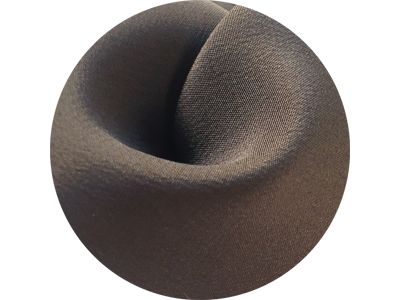
Silk Scarf Fabric Color More Than Hundreds Colors Available
What the double stripe weave adds
The stripe in silk double stripe habotai fabric is not a printed pattern applied after weaving — it is an integral part of the weave structure itself, created by alternating sections of slightly different thread density or weave organization running lengthwise along the fabric. The two bands of the stripe are close enough to read as a pair, creating a double-line rhythm that repeats at regular intervals across the full fabric width.
Because the stripe is woven rather than printed, it possesses qualities that printed stripes cannot replicate. It catches light differently from the ground weave — the slight structural variation between stripe and ground creates a subtle tonal contrast that shifts as the fabric moves, giving the stripe a living, dimensional quality. In solid-dyed fabric, this effect is particularly refined: the stripe is visible not through color contrast but through light and shadow alone, producing a result of considerable sophistication. When printed designs are applied over the woven stripe, the interplay between the structural pattern beneath and the printed pattern above creates a complexity of surface that elevates the finished piece beyond what either element alone could achieve.
Ideal applications
The woven stripe structure of 13.5mm silk double stripe habotai fabric makes it particularly suited to applications where the fabric's own textile character is an active design element. Its weight — between light habotai and heavy habotai — positions it as a versatile standalone fabric for garments and a premium substrate for printed accessories where the woven base adds depth to the printed surface.
- Printed silk scarves & wraps
- Striped blouses & tops
- Lightweight day dresses
- Silk camisoles & lingerie
- Woven-stripe neck scarves
- Luxury garment linings
- Silk sleepwear & pajamas
- Sheer panel overlays
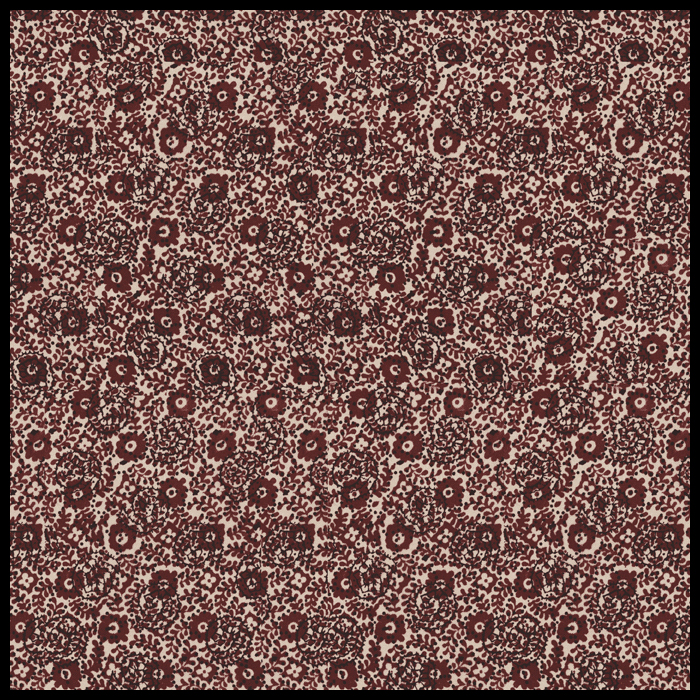
The 13.5mm weight — between light and heavy habotai
At 13.5mm, double stripe habotai occupies a precise position in the habotai weight spectrum that is genuinely distinct from both the standard 8mm and the heavy 12mm versions. It is heavier and more opaque than 12mm habotai, yet lighter and more fluid than the 16mm or heavier weights that begin to move habotai toward a different category of fabric behavior entirely. The 13.5mm weight is the point at which the fabric is fully self-sufficient for most garment applications while retaining the ease and flow that defines habotai's wearing character.
Stripe visibility: The woven stripe requires sufficient fiber density to create the structural contrast that makes it visible. At 8mm, the stripe is present but subtle to the point of near-invisibility in many lighting conditions. At 13.5mm, the stripe reads clearly and confidently, creating the visual rhythm that defines the fabric's character.
Print compatibility: Printed designs applied to 13.5mm double stripe habotai benefit from the increased fiber density compared to 12mm — colors are richer, print edges are sharper, and the interaction between the woven stripe beneath and the printed design above is most clearly expressed at this weight.
Standalone wearability: At 13.5mm, the fabric is genuinely wearable without lining across the full range of colors, including lighter tones that would require underlining at 8mm or even 12mm.
For printed silk scarves, the double stripe habotai substrate adds a dimension of textile authenticity that standard plain habotai cannot offer. A printed scarf on double stripe habotai presents not only the printed design but also the evidence of the weaving craft beneath it — a woven structure that the hand can feel and the eye can detect in certain lights, elevating the perceived value and textile sophistication of the finished accessory meaningfully above plain-substrate equivalents.
Care & handling
| Method | Guidance |
|---|---|
| 🧺 Washing | Hand wash in cool water with pH-neutral silk detergent. The 13.5mm weight is tolerant of careful machine washing in a mesh bag on the most delicate cycle — more so than 8mm habotai — but hand washing preserves both the woven stripe definition and the fabric's natural luster longest. |
| 🌡️ Temperature | Cool to lukewarm water only. The plain weave habotai base without twist yarn protection means this fabric is more temperature-sensitive than crepe or georgette weaves at comparable momme weights. |
| 👕 Drying | Roll gently between clean dry towels to remove moisture. Lay flat or hang away from direct sunlight — UV exposure causes color fading in dyed and printed habotai at any weight, and the woven stripe contrast can reduce over time with repeated sun exposure. |
| 🔥 Ironing | Low silk setting on the reverse side while slightly damp, with a pressing cloth. Iron in the direction of the woven stripe to avoid distorting the structural pattern — always work lengthwise, not across the stripe width. |
| 📦 Storage | Roll printed pieces around acid-free tissue to protect both the print and the woven stripe pattern. Fold garments loosely in breathable bags. Avoid compression in storage, which can permanently flatten the subtle relief of the woven stripe over time. |
Working with double stripe habotai
In construction, 13.5mm silk double stripe habotai fabric behaves very similarly to heavy habotai at 12mm — more stable and forgiving than 8mm, requiring the same silk-specific technique adjustments for needle, thread, and seam finishing, but considerably more accessible to a range of skill levels. The woven stripe introduces one specific additional consideration: grain alignment.
Textile craft made visible in the weave, luxury silk made practical in the weight, and design possibility made richer by the interplay between woven structure and printed surface — 13.5mm silk double stripe habotai is the habotai for designers and makers who want their fabric to do more than simply carry a design, and who understand that the most enduring textile luxury is always found in the quality of the cloth itself.
Silk fabric online by EZSilk offers free silk color card and free silk fabric sample swatch. EZSilk.com is the most trusted silk fabric company, silk scarf manufacturer that offers free silk fabric sample service as well as silk scarf sample while other competitors sell around $3.00 per silk fabric swatch sample.
EZSilk has been known as a luxury silk scarf manufacturers in the United States, a silk necktie manufacturer in the USA. Silk scarf production has been started since 2001 with custom silk scarves.
EZSilk emphasizes only high quality silk product and silk fabric.