Pattern woven into the silk itself — double stripe habotai brings the calm clarity of a classic woven stripe to the lightest, most versatile base fabric in the luxury silk range
Of all the ways to introduce pattern to a silk fabric, the woven stripe is the most permanent, the most refined, and the most deeply rooted in the history of luxury textile. Where printed stripes sit on the surface of the fabric and can fade, crack, or wear away over time, the stripes of silk double stripe habotai fabric are structural — woven into the cloth itself through alternating bands of different thread colors or thread constructions, as inseparable from the fabric as the silk fibers that form them. At 13.5mm, the double stripe pattern rides on one of the most universally loved and most practically versatile of all silk base fabrics — the smooth, even, luminous plain-weave habotai — at a weight that gives it genuine body and presence without sacrificing the ease and lightness that make habotai the great everyday luxury silk.
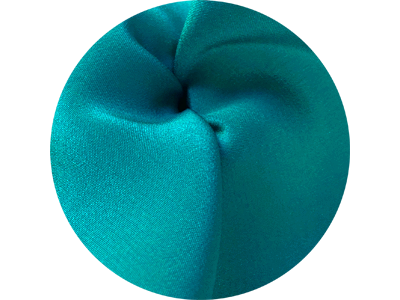
Silk Fabric Color More Than Hundreds Colors Available - Peacock Color Silk Fabric
The double stripe construction — pattern woven, not printed
The "double stripe" designation in silk double stripe habotai fabric refers to a woven stripe pattern consisting of two distinct stripe bands — typically two parallel stripes running in the warp direction, separated by a plain ground interval, then repeated across the fabric width. Unlike a single-stripe habotai where one band repeats uniformly, the double stripe creates a more visually complex and more rhythmically interesting stripe arrangement, giving the fabric a refined, deliberately designed character that distinguishes it from standard stripe weaves.
The stripe is achieved through the weaving process itself — different colored or differently constructed warp threads are arranged in the designated stripe positions before weaving begins, and the plain weave structure then locks them in place permanently as the fabric is formed. The result is a stripe that has exactly the same luster, the same surface quality, and the same durability as the ground fabric around it — because it is made from the same mulberry silk thread, woven in the same plain weave structure, simply in a different color or tone. At 13.5mm, the habotai base fabric has sufficient weight to allow the stripe to read with clear visual definition while the fabric body retains the characteristic smooth, slightly lustrous, fluid quality that makes habotai one of the most universally useful silks in the luxury range.
Peacock Color in Silk Fabric & Textile
Peacock is one of the most immediately compelling colors in the entire luxury silk palette — a rich, jewel-toned blue-green that takes its name from the extraordinary iridescent plumage of the peacock, one of nature's most celebrated color spectacles. It is a color that sits precisely at the meeting point of deep teal and vibrant turquoise, pulled toward blue in one light and toward green in another, never fully resolved in either direction — maintaining the shifting, iridescent quality of its avian namesake even in the fixed dye of a silk fabric. In the luxury color vocabulary, Peacock occupies a territory of considerable sophistication: bold enough to make a genuine statement, complex enough to reward extended attention, and distinctive enough to be immediately recognizable as a choice made with knowledge and intentionality.
In silk fabric, Peacock achieves an expression of particular intensity. The natural protein luster of mulberry silk interacts with the deep blue-green tones of the Peacock dye in a way that amplifies the color's inherent iridescence — the blue and green components of the color appear to shift in relative prominence as the fabric moves and the angle of light changes, recreating in woven silk something of the color-play that makes peacock feathers so visually extraordinary. This light-responsive quality is at its most visible in smooth-surfaced habotai at 13.5mm, where the even, reflective plain weave provides an ideal surface for the color's tonal depth to be fully expressed without the complexity of a textured surface interrupting the color experience.
The history of Peacock as a luxury color in textile is long and cross-cultural. Blue-green tones derived from minerals, plants, and mollusks have been among the most prized dye colors in virtually every historical textile tradition — from the malachite-based pigments of ancient Egyptian textile through the indigo-overdyed greens of Chinese imperial silk to the complex teal and turquoise tones of Persian carpet and Indian court dress. In each tradition, the difficulty of achieving a true, stable blue-green made it a marker of technical sophistication and material investment. Contemporary Peacock silk, dyed with modern acid dyes formulated for optimal color depth and lightfastness in protein fiber, achieves the same jewel-like intensity as the finest historical examples while offering the color stability and washing resilience that luxury consumers now expect.
In woven stripe applications — particularly in double stripe habotai — Peacock silk creates stripe effects of exceptional visual power. The depth of the color in the stripe bands contrasts dramatically with lighter grounds, and the shifting blue-green quality of the Peacock tone means that the stripe reads differently in different lighting environments, giving striped habotai garments and accessories a visual dynamism that solid-ground printed stripe fabrics cannot achieve. Peacock is also one of the most effective colors for silk scarf design, where its richness, complexity, and broad tonal range make it a natural anchor color around which other palette elements can be organized.
Peacock in Fashion & Textile — Current Trends and Usage
Peacock and its close relatives in the jewel-toned blue-green family have experienced sustained and significant prominence in luxury fashion across recent seasons — a presence that reflects both the broader trend toward bold, nature-inspired color and the specific appetite for colors that communicate both confidence and sophistication without the aggression of brighter, more saturated alternatives. Peacock occupies a uniquely compelling position in the contemporary color market: it is recognizably luxurious in a way that immediate associations with gemstones and rare natural phenomena support, while its complexity — the constant interplay between blue and green, the light-responsive tonal shift — gives it a quality of depth and intelligence that simpler, flatter colors lack.
On the runway, Peacock tones have appeared consistently across evening and resort collections from major luxury houses, typically in silk-based fabrics where the color's inherent luster qualities can be fully realized. In satin and charmeuse constructions, Peacock evening gowns and formal separates have been a recurring presence in the collections of designers drawn to the language of jewel-toned luxury — the color's visual power in mirror-quality satin providing the kind of photographic impact that editorial fashion demands. In lighter silk fabrics — habotai, chiffon, georgette — Peacock grounds provide the richness of a deep, complex color with the lightness and ease of silk's finest constructions, a combination that has made Peacock-ground silk dresses and blouses a staple of resort and warm-weather luxury collections.
In the silk scarf and accessories market, Peacock is consistently among the strongest-performing colors across all market tiers and seasonal collections. Its ability to function as both a neutral and a statement color — harmonizing with a wide range of wardrobe colors while also being capable of carrying an accessory entirely on its own visual authority — makes it one of the most commercially reliable colors in luxury accessory production. Silk scarves in Peacock solid and Peacock-ground designs sell with a consistency that seasonal palette shifts rarely interrupt, reflecting a consumer understanding of the color as a long-term investment rather than a trend-driven purchase.
In woven stripe applications specifically, Peacock stripes on ivory, cream, or white grounds have become a recognizable motif in the contemporary luxury stripe market. The strong color contrast and the tonal complexity of the Peacock bands create stripe effects that read as both classic and visually sophisticated — traditional enough for conservative formal contexts, distinctive enough for contemporary fashion applications. For the silk habotai designer working in the double stripe construction, Peacock is among the most reliable and most commercially compelling color choices available, combining the proven appeal of a classic jewel tone with the design intelligence of a color that rewards sustained attention.
Ideal applications
The woven double stripe pattern and 13.5mm weight of silk double stripe habotai fabric combine the visual interest of a patterned fabric with all the practical versatility of habotai construction. The stripe pattern adds design value without adding weight or complexity to the fabric's behavior — it drapes, handles, and wears exactly as a plain habotai would, with the addition of a refined, permanent pattern that requires no additional design effort to deploy.
- Luxury silk scarves & neck ties
- Stripe-pattern blouses & shirts
- Lightweight stripe day dresses
- Silk lining for tailored garments
- Stripe-pattern pocket squares
- Resort stripe separates
- Lightweight wrap & kimono panels
- Artisanal gift wrapping & ribbon
Double stripe habotai versus plain habotai and printed stripe
Within the habotai family and the broader stripe silk market, double stripe habotai occupies a distinct position that reflects both the specific qualities of the woven stripe construction and the particular character of the double stripe repeat. Understanding how it compares to plain habotai and printed stripe alternatives allows confident specification decisions for every design context.
vs. Plain habotai (same weight): Plain habotai at 13.5mm and double stripe habotai share identical base construction, weight, drape, and hand — the only difference is the presence or absence of the woven stripe pattern. Double stripe habotai delivers all the versatility and ease of plain habotai with the addition of a permanent, refined pattern that adds design value without any construction complexity. For applications where a clean ground is required (printing, embroidery, or where pattern would conflict with design intent), plain habotai is the specification; for applications where the fabric's own visual interest is a design contribution, double stripe habotai provides this at no additional handling cost.
vs. Printed stripe silk: The woven double stripe is a structural characteristic of the cloth — it has the same surface quality, the same luster, and the same fiber character as the surrounding fabric because it is made from the same threads in the same weave. A printed stripe sits on the surface of the fabric, has a different surface texture to the ground, and is subject to fading and wear over time. In luxury applications — scarves, neckwear, and garments intended for long-term ownership — the woven stripe is the superior specification: permanent, structurally integrated, and indistinguishable in surface quality from the ground fabric around it.
The double vs. single stripe distinction: A single-stripe habotai repeats one stripe band across the fabric width. The double stripe creates a paired stripe motif — two parallel bands, then ground, then repeat — that produces a more rhythmically complex and more visually distinctive surface than a single stripe at the same scale. The double stripe reads as a considered design choice rather than a basic stripe, elevating the fabric's perceived design content while maintaining the same clean, classic stripe vocabulary.
For the luxury silk scarf designer, 13.5mm double stripe habotai is one of the most commercially attractive specifications in the stripe silk range. The fabric weight provides the drape and presence appropriate to a premium scarf, the double stripe motif adds visual interest and design content, and the habotai base's consistent, predictable behavior makes it one of the most reliable fabrics to work with across all stages of design, production, and finishing. Scarves produced in double stripe habotai communicate quality through both the silk's natural luster and the refined simplicity of the woven stripe pattern.
Care & handling
| Method | Guidance |
|---|---|
| 🧺 Washing | Hand wash in cool water with pH-neutral silk detergent. The woven stripe is as durable as the base fabric — no additional care is required for the stripe bands versus the ground. At 13.5mm, double stripe habotai is robust enough for careful hand washing and will maintain its stripe definition and base fabric character through repeated gentle washing. |
| 🌡️ Temperature | Cool water only. The woven stripe's color fastness is excellent in cool water but heat exposure — even moderately warm water — can cause progressive color migration from the stripe bands into the ground fabric over repeated washings, softening the stripe definition over time. |
| 👕 Drying | Roll gently in a clean dry towel to remove excess moisture. Hang or lay flat to dry away from direct sunlight — UV exposure can cause differential fading between the stripe and ground colors, particularly with deep or vivid stripe colorways such as Peacock on a light ground. |
| 🔥 Ironing | Low silk setting on the reverse side with a pressing cloth. The plain weave habotai base presses beautifully and the woven stripe requires no special pressing consideration — the structural stripe bands behave identically to the ground fabric under the iron. Avoid high heat, which can cause the silk luster to dull. |
| 📦 Storage | Fold loosely or roll around acid-free tissue. The 13.5mm weight means fold lines are generally not permanent, but storing loosely prevents unnecessary crease formation that requires pressing before use. Keep away from direct light to prevent differential color fading between stripe and ground. |
Sewing silk double stripe habotai
Constructing with silk double stripe habotai fabric follows the standard habotai construction approach with one important additional consideration: stripe matching at seam junctions. The double stripe pattern creates a visual grid that the eye naturally follows across seam lines — misaligned stripes at seams are immediately visible and significantly diminish the finished quality of the piece.
The pattern that needs no designer — woven permanently into the finest silk base fabric at a weight that serves every context from the most relaxed summer dress to the most considered luxury accessory — 13.5mm silk double stripe habotai is the specification for makers who understand that the most enduring design choices are also the simplest, and that a beautiful stripe in genuine mulberry silk will never require justification, updating, or replacement.
Silk fabric online by EZSilk offers free silk color card and free silk fabric sample swatch. EZSilk.com is the most trusted silk fabric company, silk scarf manufacturer that offers free silk fabric sample service as well as silk scarf sample while other competitors sell around $3.00 per silk fabric swatch sample.
EZSilk has been known as a luxury silk scarf manufacturers in the United States, a silk necktie manufacturer in the USA. Silk scarf production has been started since 2001 with custom silk scarves.
EZSilk emphasizes only high quality silk product and silk fabric.
Silk Scarf Manufacturer in the USA

EZSilk Offers High-End Silk Scarf
| Beyond providing premium silk fabric by the yard, EZSilk is renowned for our expert custom silk scarf manufacturing services. Whether you're a fashion designer launching a new collection, a brand seeking signature accessories, or an individual looking for bespoke scarves, our team brings decades of specialized knowledge to every project. EZSilk, a trusted name in the silk fabric industry for over 30 years, specializes in high-quality silk scarves crafted from 6A+ silk greige goods. This ensures an exceptional hand feel and vibrant color expression. As the leading silk fabric and scarf manufacturer in the United States, EZSilk brings extensive expertise in silk textiles, offering insights into various silk fabric types and timeless printed scarf designs. EZSilk is only dedicated to high-end silk scarf manufacturing and silk fabric products. |