The silk that announces itself — crisp, rustling, iridescent, and possessed of a formal authority that no softer fabric can replicate
Of all the luxury silk fabrics, silk taffeta fabric is perhaps the most immediately distinctive — not only in appearance and structure, but in sound. The characteristic rustle of silk taffeta as it moves — the frou-frou beloved by couturiers and dressmakers for centuries — is a quality unique to this weave, produced by the friction of its tightly woven plain weave construction. At 19mm, silk taffeta is at a weight that balances its defining crispness with enough silk fiber density for rich color, pronounced iridescence in two-tone weaves, and a formal presence that has made it one of the enduring cornerstones of bridal, eveningwear, and ceremonial dress since the earliest days of couture.
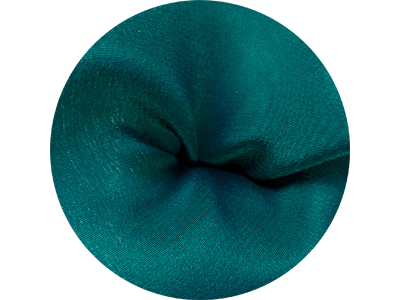
Silk Scarf Fabric Color More Than Hundreds Colors Available
What defines silk taffeta
Like habotai, silk taffeta fabric is woven in a plain weave — warp over weft in a simple alternating pattern. What distinguishes taffeta from habotai is not the weave structure but the finishing: taffeta is woven from tightly twisted yarns at high thread count and then subjected to a finishing process that further stiffens the weave, creating the crisp, paper-like body that is taffeta's most defining physical characteristic. The resulting fabric does not drape — it stands, creates volume, and holds the precise angles and folds that structured formal silhouettes demand.
The iridescent quality of two-tone silk taffeta — where warp and weft are dyed in contrasting or complementary colors — is one of the most dramatic effects in all of luxury textiles. Because the warp and weft threads cross at right angles and catch light from different directions simultaneously, the fabric appears to change color as the viewing angle changes: a blue-and-green taffeta reads as predominantly green from one direction and predominantly blue from another, with a constant shifting interplay between the two as the fabric moves. At 19mm, this iridescent effect is at its most pronounced — the additional fiber density intensifies the color contrast between warp and weft, making the color-shift more dramatic and more beautiful.
Ideal applications
The structural crispness and formal authority of 19mm silk taffeta fabric define its applications with unusual clarity. This is not a fabric for draping or layering — it is a fabric for structure, volume, and the kind of formal silhouette that must hold its shape from the first moment of wearing to the last. Its applications are concentrated in the most significant tiers of formal and occasion dressing.
- Ball gown skirts & petticoats
- Bridal gown underskirts
- Structured cocktail dresses
- Formal occasion jackets
- Opera & theatre cloaks
- Bow & sash details
- Structured evening bags
- Luxury interior draping
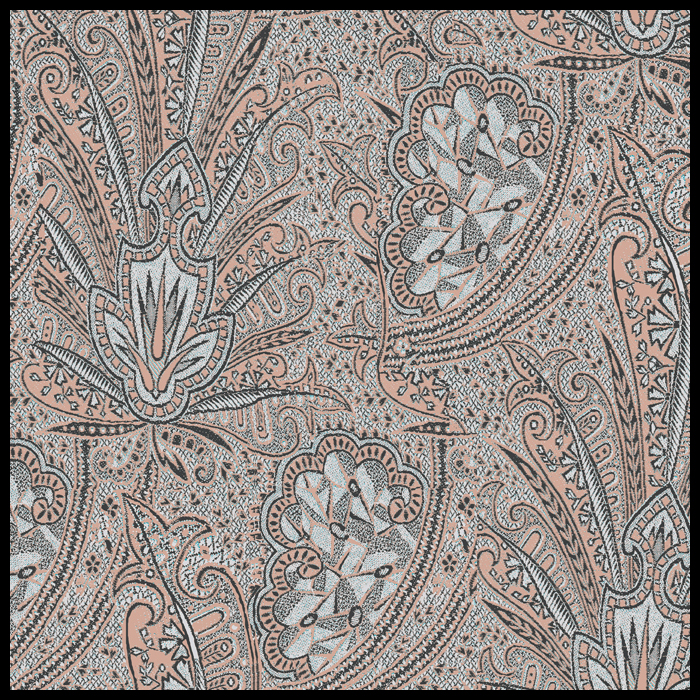
Taffeta versus duchess satin — the structural silks compared
In the hierarchy of structured luxury silks, taffeta and duchess satin occupy adjacent but distinct territories. Both are firm, self-supporting, and associated with the most formal applications in the luxury wardrobe. Understanding their differences helps designers specify precisely for the effect and silhouette they intend to achieve.
Surface character: Duchess satin has a mirror-bright, highly reflective luster — it is the more glamorous of the two. Taffeta has a subtle, slightly iridescent surface that is less reflective than satin but possesses the unique color-shift quality of its two-tone construction. For daytime formal wear and occasions where satin's mirror luster would be too bright, taffeta is the more appropriate specification.
Structure type: Both are crisp and self-supporting, but they achieve this differently. Duchess satin is firm in a smooth, weighty way — it holds shape through mass and weave density. Taffeta is crisp in a lighter, more springy way — it creates volume through the stiffness of its finishing treatment and the resilience of its twisted yarns rather than purely through weight.
Sound: This is the decisive distinguishing characteristic. Taffeta rustles — the characteristic frou-frou that has been associated with formal silk dressing for centuries. Duchess satin is silent. The choice between them is partly an acoustic design decision as much as an aesthetic one.
For ball gown applications specifically, taffeta and duchess satin are often used in combination — duchess satin for the structured bodice where a smooth, silent, magnificently lustrous surface is ideal, and taffeta for the underskirt layers where its volume-creating crispness and rustle contribute to the theatrical entrance quality that the most dramatic ball gown silhouettes demand. The two fabrics are complementary rather than competitive in this most formal of all dressing contexts.
Care & handling
| Method | Guidance |
|---|---|
| 🧺 Washing | Dry cleaning is strongly recommended for all constructed silk taffeta garments. The stiffening finish that creates taffeta's characteristic crispness is water-soluble — wet washing, even careful hand washing, risks permanently reducing the body and rustle that define the fabric's character. |
| 🌡️ Temperature | No heat exposure. The tight taffeta weave and stiffening finish are both susceptible to heat damage — elevated temperatures can permanently alter both the crispness and the iridescent quality of the two-tone weave construction. |
| 👕 Drying | Applicable only to flat fabric lengths: hang to dry in a well-ventilated space away from heat. Taffeta's natural stiffness means it recovers much of its crispness as it air-dries — avoid compression during drying to preserve volume. |
| 🔥 Ironing | |
| 📦 Storage | Store with maximum volume — never compress, fold tightly, or stack other garments on top of stored taffeta pieces. Compressed storage permanently collapses the volume that taffeta is designed to create. Hang in large breathable bags with the skirt volume fully supported, or store flat with extensive acid-free tissue padding between all fold points. |
Sewing silk taffeta
Working with 19mm silk taffeta fabric is a specific experience that differs significantly from working with fluid silks. The crispness that makes taffeta so dramatically effective in formal silhouettes also makes it unusually cooperative during construction — it stays flat during cutting, holds seam lines precisely, and maintains its position during fitting. However, the stiffening finish means that taffeta is unforgiving of reworking: every seam that is removed and resewn leaves permanent needle-track impressions that catch light in the iridescent surface.
The silk that has accompanied humanity's most magnificent formal occasions for five centuries — the rustle that announces a grand entrance, the iridescent surface that shifts color in candlelight and chandeliers, the crisp structure that gives ball gowns their architecture and bridal skirts their sweep — 19mm silk taffeta is as essential to the vocabulary of formal dress today as it has ever been. Some things in luxury textile are simply irreplaceable, and silk taffeta is one of them.
Silk fabric online by EZSilk offers free silk color card and free silk fabric sample swatch. EZSilk.com is the most trusted silk fabric company, silk scarf manufacturer that offers free silk fabric sample service as well as silk scarf sample while other competitors sell around $3.00 per silk fabric swatch sample.
EZSilk has been known as a luxury silk scarf manufacturers in the United States, a silk necktie manufacturer in the USA. Silk scarf production has been started since 2001 with custom silk scarves.
EZSilk emphasizes only high quality silk product and silk fabric.